









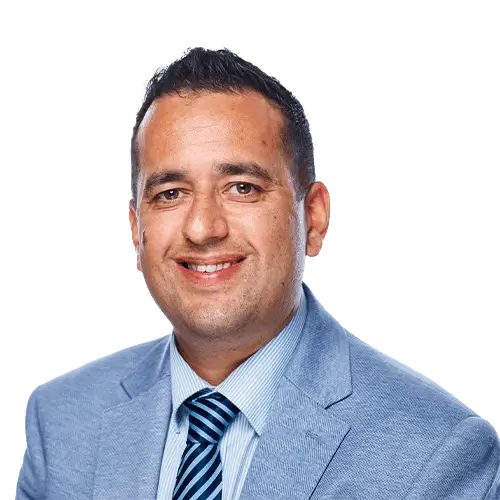
Dan Mundroina CTA FCCA
- Private Client Tax Partner
- +44 (0)330 124 1399
- Email Dan

Suggested:Result oneResult 2Result 3
Sorry, there are no results for this search.
Sorry, there are no results for this search.
View all peoplePublished by Dan Mundroina on 28 October 2026
Share this article

The government announced in the Budget on 28 October 2026 that the annual trading allowance will increase from £1,000 to £3,000.
The change is due to take effect from 6 April 2027. It will mean eligible individuals can receive up to £3,000 in qualifying trading and miscellaneous income each tax year without paying income tax on that income. The trading income reporting threshold for Self-Assessment will also rise to £3,000.
The allowance is relevant to people earning money from small-scale self-employment or casual services, such as gardening, babysitting or hiring out personal equipment. It is an allowance for individuals, rather than a general tax exemption for companies. For someone testing a business idea alongside their main job, the increase could provide more room to develop an activity before tax and reporting obligations arise.
One important distinction is that the limit applies to total qualifying income before expenses, not the profit left after paying costs. Income from all qualifying activities must be considered together. The allowance is not a separate £3,000 exemption for every activity you undertake.
Under the existing rules, using the trading allowance means you cannot also deduct actual expenses against the same income. If your costs are substantial, calculating your profit using allowable expenses may be more appropriate. The allowance cannot create a tax loss. Existing exclusions also apply to partnership trading income and certain income received from employers or connected businesses. The final legislation should be checked for any changes to these conditions.
The higher allowance does not take effect immediately. Keep records of income and expenses, and continue to meet your current obligations until the new rules apply. You may still need to complete a tax return because of other income or your circumstances. Do not stop filing a return simply because your trading income is below the new threshold.
Dan Mundroina, Private Client Tax Partner at Kreston Reeves comments: “This is a helpful change for people earning modest amounts from additional work. However, a higher allowance does not remove the need to understand your tax position. Keep clear records, add together income from your different activities, and compare the allowance with your actual expenses. Getting that decision right will help you benefit from the change without overlooking other obligations.”
If the Budget has raised any questions for you, book your place on our question time webinar this Friday at 9:30am. Alternatively, if you would like any further information or guidance on this topic, get in touch with your usual Kreston Reeves contact or contact us here.
Share this article
This site is protected by reCAPTCHA and the Google Privacy Policy and Terms of Service apply.
Our complimentary newsletters and event invitations are designed to provide you with regular updates, insight and guidance.
You can unsubscribe from our email communications at any time by emailing [email protected] or by clicking the 'unsubscribe' link found on all our email newsletters and event invitations.
This site is protected by reCAPTCHA and the Google Privacy Policy and Terms of Service apply.