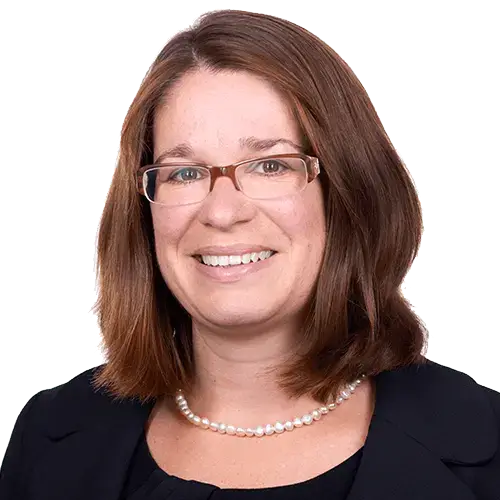











Andrew Griggs BA FCA CF
- Senior Partner and Head of Global
- +44 (0)330 124 1399
- Email Andrew

Suggested:Result oneResult 2Result 3
Sorry, there are no results for this search.
Sorry, there are no results for this search.
View all peoplePublished by Andrew Griggs on 19 January 2026
Share this article
Businesses have over the past few years demonstrated extraordinary resilience. Faced with global disruption, economic uncertainty and rapid technological change, leaders have adapted, innovated and, in many cases, emerged stronger.
That adaptability will be a defining characteristic of successful businesses in 2026.
But adaptability does not happen by accident. It comes from a willingness – and a discipline – to challenge the way you operate. Not just occasionally, but continuously. In 2026, growth will belong to the organisations that ask: what can we improve?
These questions are not tactical. They go to the heart of purpose – the reason your business exists, the impact you want to make, and the legacy you want to build. When purpose is clear, decision-making becomes faster, teams stay motivated and growth becomes more sustainable.
Firms that challenge the status quo and unlock growth share a common trait: strong leadership teams grounded in clarity of purpose, trust and flexibility.
Strong and clear leadership separates strategy from operations, and with it, ownership.
For larger businesses, the CEO/MD sets and drives strategy, making the big decisions with accountability for performance. A COO (Chief Operating Officer) should run the day-to-day operations, the CFO (Chief Finance Officer) the finances. A CPO (Chief People Officer) should lead recruitment, development and retention of people, with a CMO/CGO (Chief Growth Officer) driving growth. It will sound obvious, but if the business leader is making every operational decision, you haven’t built a team – you’ve created a bottleneck on growth.
Smaller businesses, that might not have all these roles in-house, can explore outsourcing functions or roles to advisers, consultants, agencies or Non-Executive Directors (NEDs). Or, allocating responsibilities to trusted team members.
This division of responsibility does not, however, mean silos. A senior leadership team is just that, a team. And as with all teams, structure matters. Regular strategy reviews, where progress is measured, are vital. Complemented with operational reviews when execution challenges arise.
This rhythm ensures that strategic vision informs operational reality, with operational insights feeding back into strategic refinement.
Throughout 2026, our experts will explore how sustainable growth can be unlocked through:
Throughout the year, we will highlight how we can support businesses on their growth journeys, challenging thinking, sharing insight and celebrating success. We would also love to hear from you: How have you and your business challenged established thinking, changed the way you work and unlocked growth?
To discuss your growth ambitions for 2026 and beyond, get in touch with us to explore how we can support your business.
Share this article
This site is protected by reCAPTCHA and the Google Privacy Policy and Terms of Service apply.
Related people

This site is protected by reCAPTCHA and the Google Privacy Policy and Terms of Service apply.
This site is protected by reCAPTCHA and the Google Privacy Policy and Terms of Service apply.
Our complimentary newsletters and event invitations are designed to provide you with regular updates, insight and guidance.
You can unsubscribe from our email communications at any time by emailing [email protected] or by clicking the 'unsubscribe' link found on all our email newsletters and event invitations.
This site is protected by reCAPTCHA and the Google Privacy Policy and Terms of Service apply.